
600 railcars and 2,500 metres of welds per year: FSW facts and figures
Friction stir welding was invented in the USSR in the second half of the twentieth century. The method is reliable and environmentally friendly. Metal is heated by the intense friction between the working tool and the part.
Features of friction stir welding:- Versatility: no filler material is needed to join two metals;
- Copper, lead and titanium can be welded without visible external or internal distortion;
- Joining surfaces made from difficult-to-weld metals that cannot be joined by other welding methods.
- Productivity: joining takes little time and requires almost no preparatory operations.
- Minimal energy loss when heating the metal.
- With the correct process and cycle, the weld and surrounding area are almost indistinguishable. Defects such as porosity and cracks are also absent.
- No mechanical cleaning of the working surface is needed.
- Minimal environmental impact and no harmful factors that could damage workers’ health.
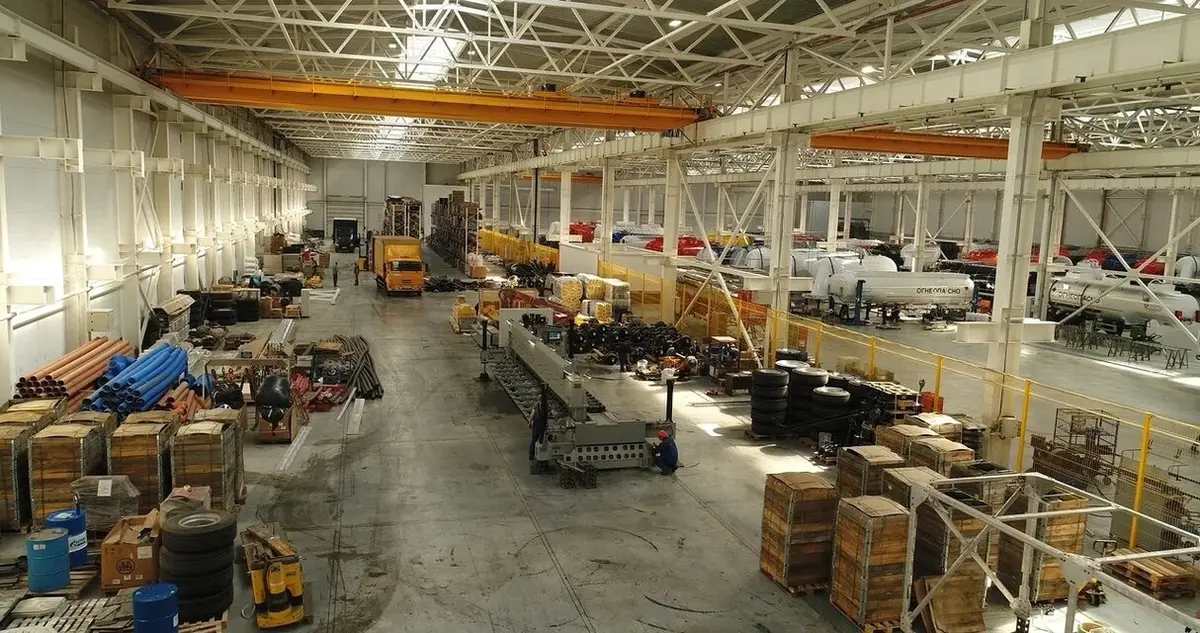
The technology is used to make components for automotive, aerospace, construction and railway applications. Only five or six manufacturing facilities worldwide operate fully established friction stir welding systems, and Sespel is one of them. Let us look more closely at how these machines and production processes work.
Equipment operation and the production process
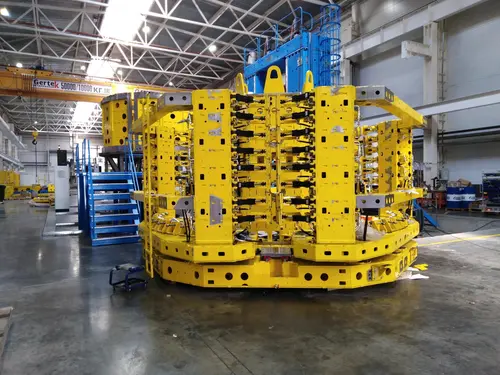
Friction welding uses equipment with a rotating working head, or pin, and a shoulder that drives it.
The machine follows this sequence:- Place the part on the work surface
- Mark the seam
- Start the equipment
- Plunge the rotating pin into the material
- Bring the metal to its melting temperature
- Move the pin along the marked seam
- Pressure applied by the working tool;
- Welding head rotation speed;
- Welding head size and tilt angle.
Adjusting these parameters allows different metals and joints to be welded. The correct CNC welding settings are also essential to ensure the joint meets standards for:
- Fatigue strength
- Impact toughness
- Tensile and bending strength
This allows different otherwise unweldable metals to be joined without restrictions on part shape or size. The equipment is flexible and easy to adjust. For example, up to seven additional pins can be installed to weld different sections simultaneously and increase FSW productivity. Energy consumption rises somewhat, but joint quality and productivity improve several-fold.
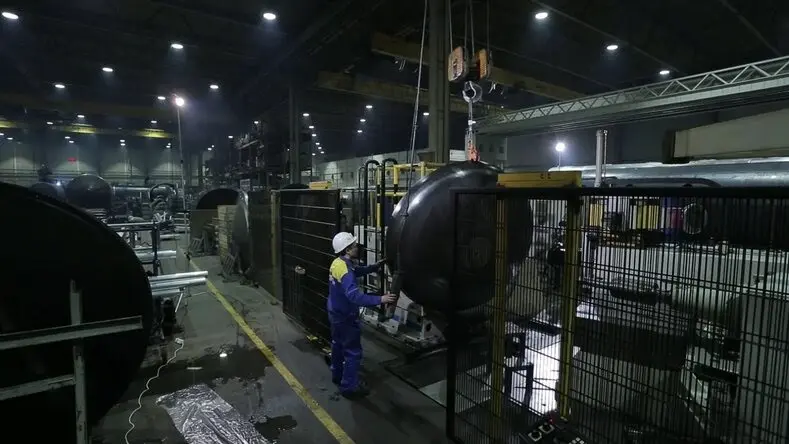
Rotation speed, pin plunge depth and tool travel duration depend on part thickness. The stirring zone is therefore selected specifically for the metal thickness, which can range from 2 to 100 mm. Three-dimensional, round and cylindrical parts can also be joined for aerospace or railway carriage production. Sespel has cylindrical blanks up to 3 metres in diameter.
Three friction stir welding machines operate in dedicated workshops. They accommodate assemblies and parts of different sizes, from under a metre to more than five metres long. Their welding rate is 10 cm per minute.
Sespel also has an innovative mobile system housed in a container. It is used for on-site friction stir welding outdoors when parts cannot be transported directly from the plant to the site.
For example, a mobile system was used to weld individual structural elements during bridge construction in Nizhny Novgorod.Worth knowing
Friction stir welding is intended to create high-quality products and functional components from otherwise unweldable metals, rather than for quick repairs or installation.
Productivity is improved through:- A carefully planned logistics system with scheduled raw material deliveries and setup before assembly
- Optimal positioning of tools and machines
- A well-established welding support process
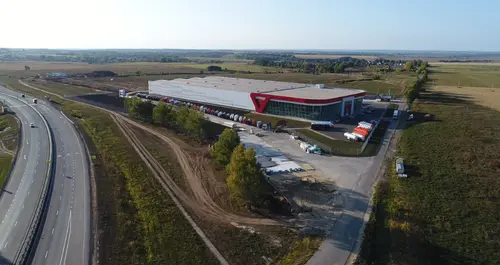
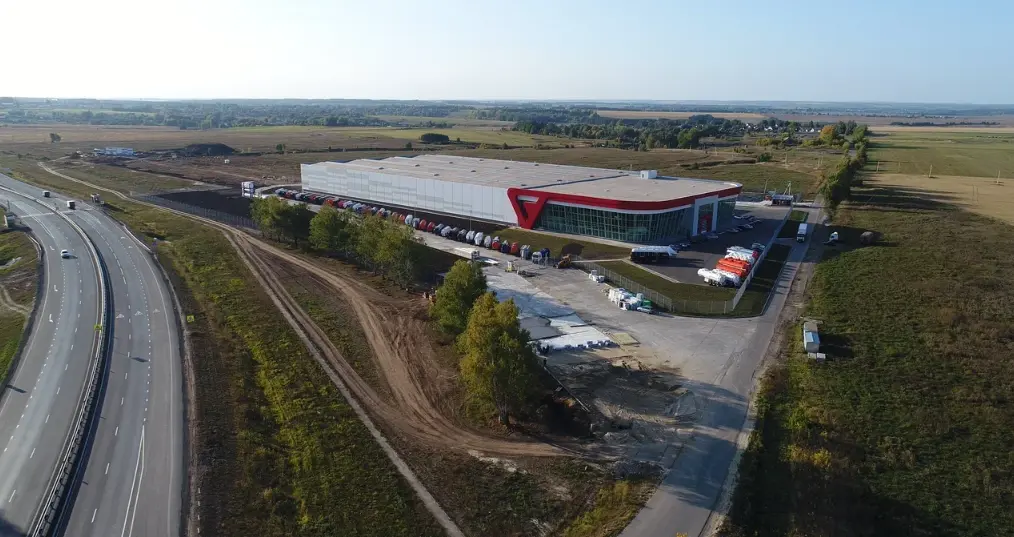
Sespel is Russia’s only manufacturer to have established full-scale production of parts and structures using friction stir welding. Company management is proud of its partnerships with Rosatom, shipbuilders and construction firms.
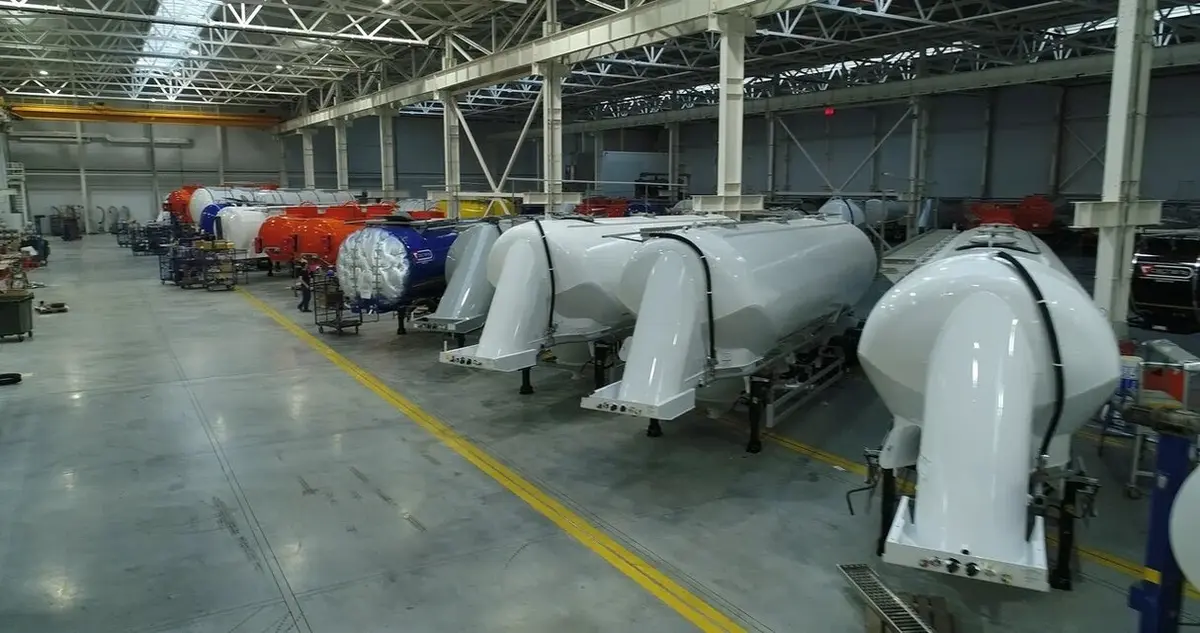
Transport companies put more than 4,000 trailers and railcars made at Sespel into service. Every year, the welding machines produce 250,000 metres of strong, high-quality welds. Sespel CJSC sells more than 150 types of specialised tankers and semi-trailers in various configurations and is a leading domestic supplier of specialised equipment.
Success rests on innovative technologies, modern machines and a well-established production cycle. Together, these factors sustain demand for Sespel products in domestic and international markets.