
Annual servicing and 40 years of operation: how Sespel strengthens its market position
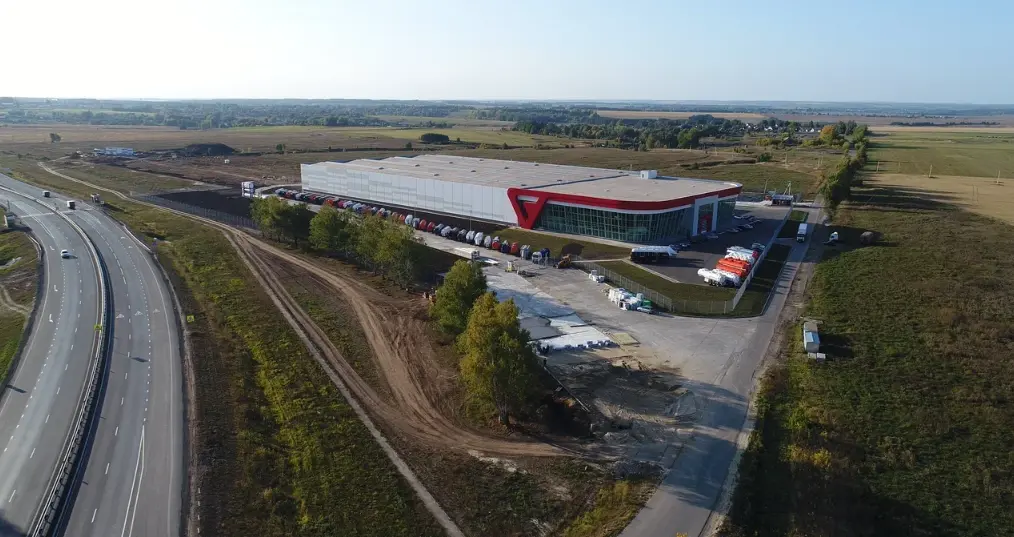
Sespel is a Cheboksary plant that entered the international market through friction stir welding technology. Invented in the Soviet Union, the process found practical application after 1991.
Today we explore the advantages of FSW and the plant’s service and support offerings.
FSW: quality, speed and reliability
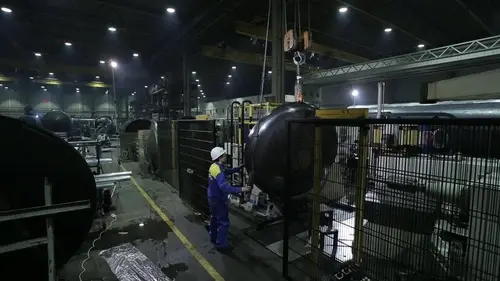
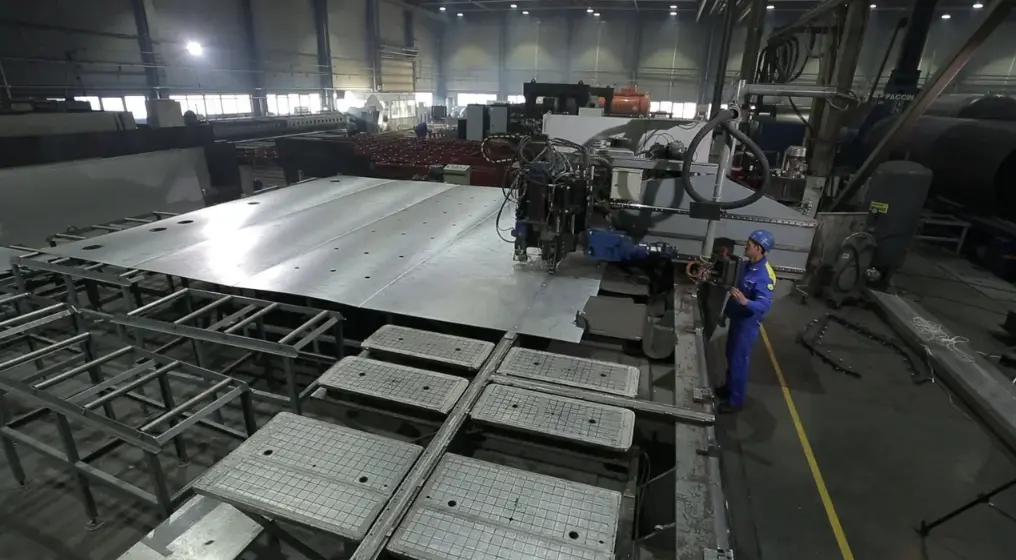
The process uses a rotating working head, or pin, and a shoulder that prevents it from passing through the metal. Once the machine reaches operating speed, automation plunges the pin to a specified depth. The surface is pressed in, and frictional heat makes the metal plastic. In this softened state, otherwise unweldable materials of different sizes and shapes can be joined.
Advantages of FSW:- No filler materials or shielding gas required
- Unit costs fall as production volumes increase
- No harmful fumes or intense ultraviolet radiation during welding
- Parts can be joined anywhere and in any spatial orientation
- The result is a defect-free weld with increased strength
To improve productivity, the machine allows additional working heads to be fitted for welding several parts or seams simultaneously. FSW significantly broadens Sespel’s product range. Let us examine that range and the manufacturer’s services in more detail.
Our products and services
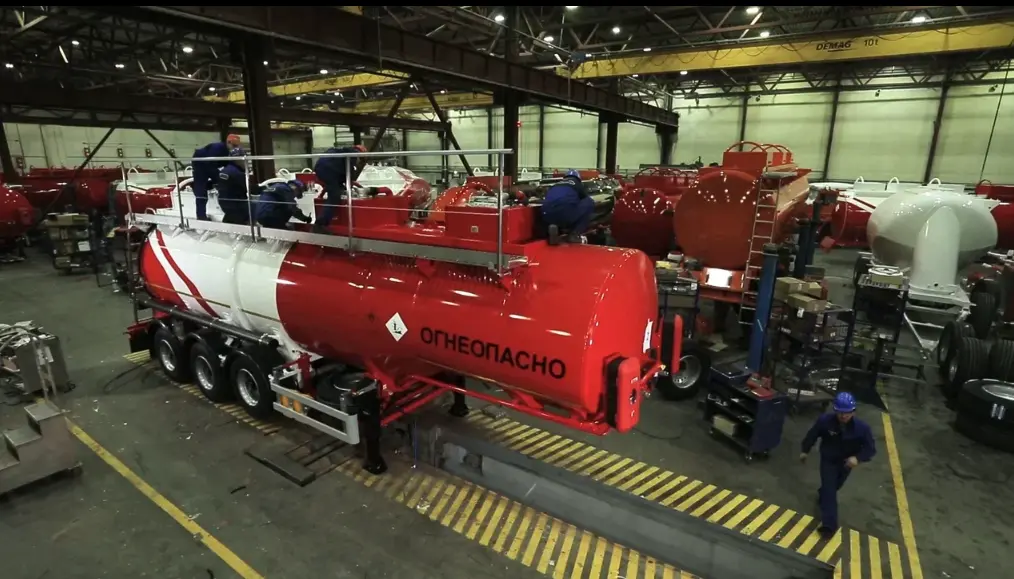
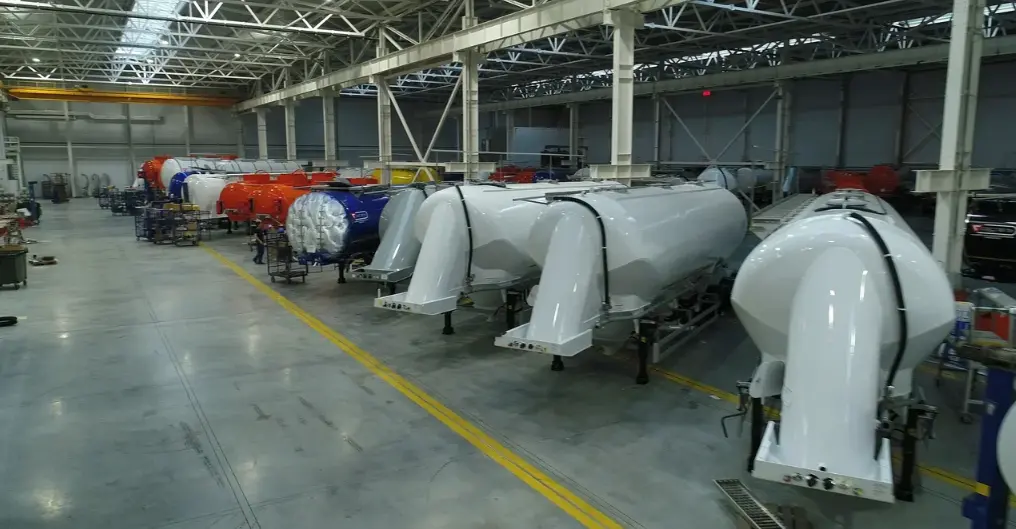
The Cheboksary plant specialises in manufacturing and supplying tank semi-trailers for industrial and commercial applications. The vessels are designed to transport petroleum products and bulk cargo.
Stainless steel and advanced aluminium tanks deliver excellent operating performance, with service lives exceeding 40 years.
Each unit:- Is manufactured for the specific properties of the substance being transported;
- Resists aggressive environments;
- Is covered with thermal protection material to ensure safe cargo transport.
For oil transport, the tank contains a thickened inner vessel made from fluorine alloys with additional stiffening ribs. This minimises the likelihood of cargo damage in road or railway accidents.
Sespel’s product range includes:- Tankers for fuel oil, bitumen, petrol and crude oil.
- Road tankers for delivering oil, flour, milk, alcohol and animal feed.
- Gas tankers.
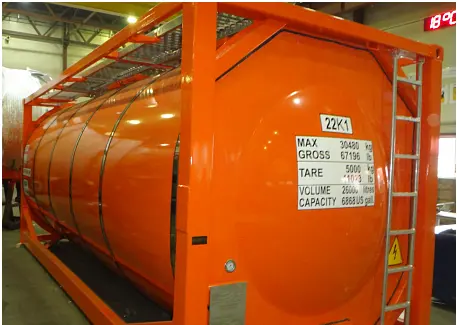
Equipment for particularly aggressive substances and tank containers form a separate category. The plant’s facilities can also weld equipment, parts and structural elements to customer orders.
Working with Sespel:
- The customer contacts the sales department with a specific requirement, task or project
- Details are agreed and a specialist team is assembled to match the request
- Several test samples are made while documentation is prepared and maintained
- Once the customer is satisfied, the sale is documented
All equipment receives support after commissioning. Customers can return to the plant for advice, consumables, repairs and replacement structural components.
For straightforward welding to a project specification, only the product serial number is stamped for internal plant records. This was the case for the aluminium bridge whose structural elements were welded by a standalone FSW system.
Sespel service: benefits for the customer
Consider a customer ordering a hopper for bulk materials. Sespel develops it from scratch and prepares all supporting documentation. Because the plant’s engineers know the technology, drawings and construction, they can readily restore a failed component after the hopper enters service. This is product support: customers can seek advice or report a problem, and the plant’s technical resources make it straightforward to resolve.
Conclusion
Sespel is an innovative manufacturer of road and rail transport equipment. Its use of friction stir welding sets it apart, opening new possibilities for high-quality, reliable products. For state-owned companies and private customers, Sespel offers semi-trailers, tankers and aluminium containers for all types of cargo, including bulk solids, liquids and aggressive substances.