
What FSW can create: examples of successful projects
Friction stir welding (FSW) is an innovative technology invented in the Soviet Union. Today we look at successful applications in construction and transport.
A brief introduction to FSW
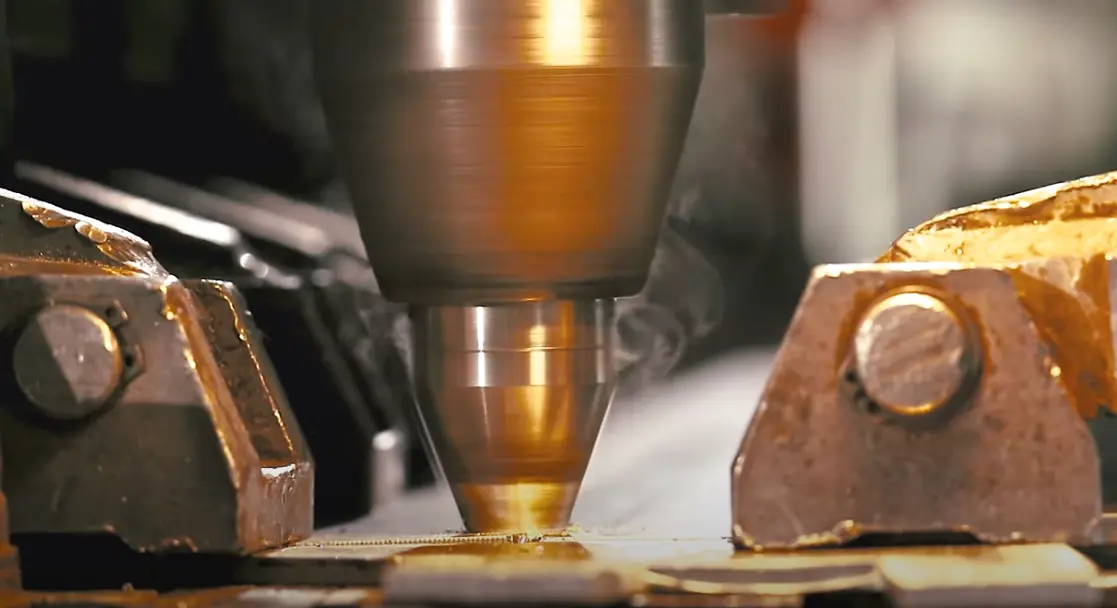
Friction stir welding entered practical use after 1991. Early users included a Norwegian transport company and aerospace giant Boeing. FSW uses a pin and a shoulder. The rotating pin heats the material through friction and plunges into it.
The shoulder prevents the working head from passing through the part. The heated metal becomes plastic, and constant shoulder pressure consolidates it into a single weld mass. The pin then follows the seam to create a strong joint.
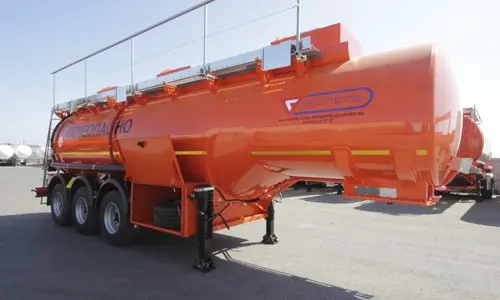
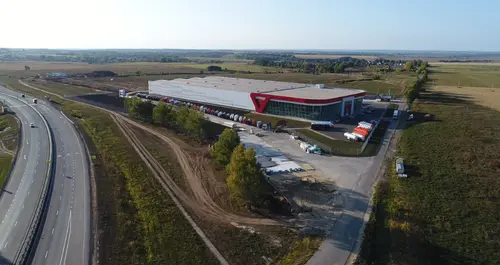
Only five or six companies worldwide use FSW, and Sespel is one of them. Founded in 1988, the plant originally manufactured Delta-S computers. Ten years later, its industrial capacity was redirected to semi-trailer production.
The range of products and services gradually expanded, and Sespel installed FSW equipment in one workshop in 2012. The plant now employs more than 450 people and consumes 35 tonnes of metal daily. It manufactures containers for liquids and bulk solids, as well as structural elements for construction. Here are some successfully completed projects.
Russia’s only aluminium pedestrian overpass
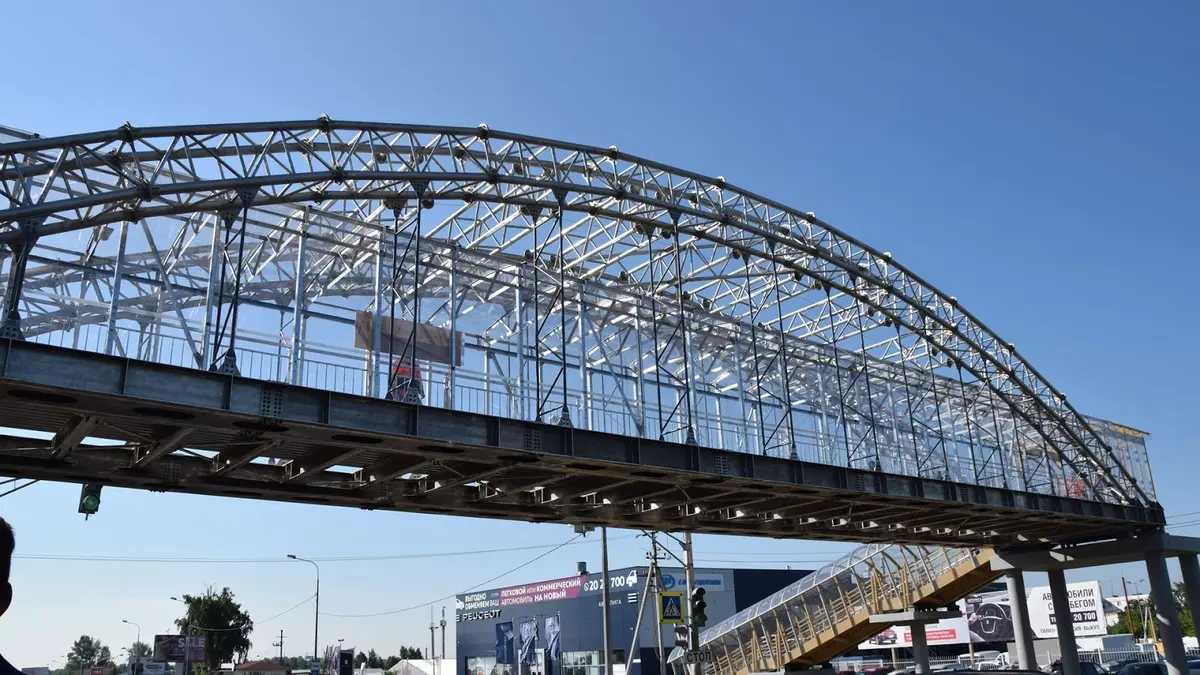
Russia’s first pedestrian overpass made from lightweight aluminium structures recently opened in the village of Afonino.
Nizhny Novgorod Region Transport Minister Alexander Gerasimenko attended the opening. He said aluminium structures are stronger than steel and concrete, weigh less and resist corrosion. Such crossings have a service life exceeding 50 years. Heavy traffic had made the crossing necessary to protect pedestrians.
RUSAL undertook the project jointly with Sespel. RUSAL coordinated the manufacture of load-bearing structures and handled logistics and transport to the assembly site. Sespel’s mobile FSW system allowed the bridge to be assembled and installed in two hours at night, avoiding disruption to traffic.
FSW can join different otherwise unweldable metals with a barely visible seam stronger than those produced by comparable technologies. Residents of Afonino and neighbouring villages can now cross safely above the road interchange.
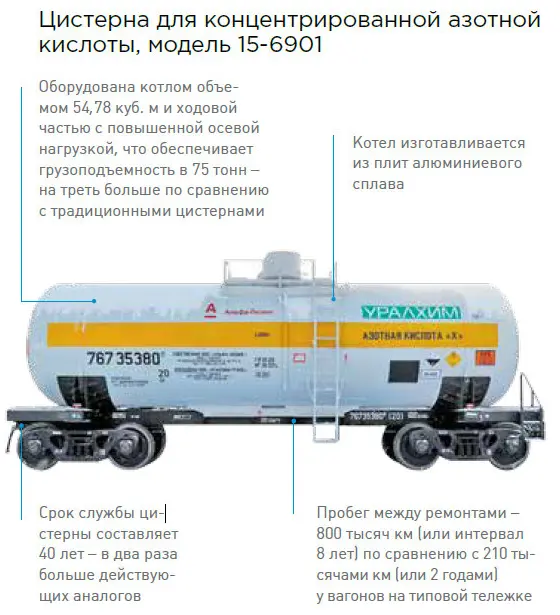
Railway tank for concentrated nitric acid
By 2022, 80% of Russia’s fleet of tanks for concentrated nitric acid will be due for retirement. Around 300 units are currently operating on the railways.
RUSAL, state transport companies, research and technology centres, and Sespel worked together on the solution. Sespel was responsible for manufacturing the tanks, using innovative friction stir welding to create leak-tight structures.
The resulting units have no equivalents worldwide: they are fully sealed and completely inert to their contents. Aluminium alloys provide a service life exceeding 40 years.
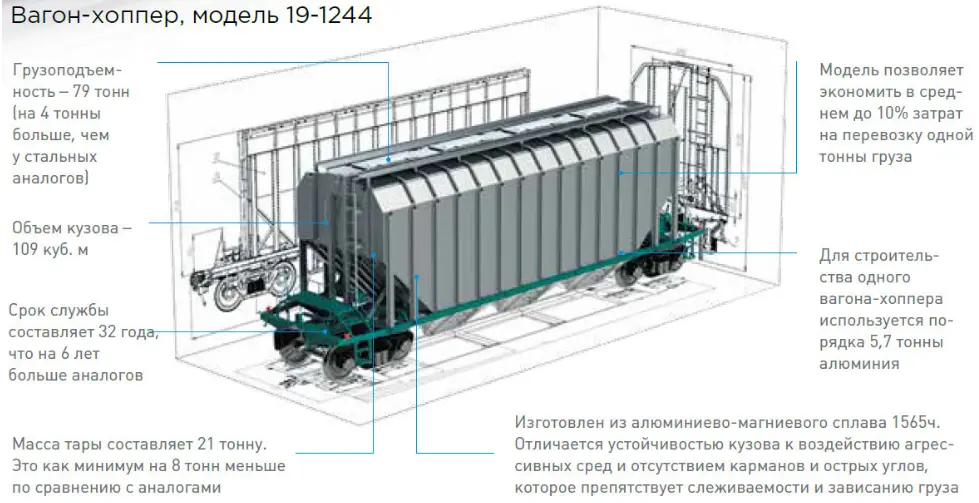
A Russian-made hopper for bulk cargo
A hopper is a railcar for bulk cargo. Arconic SMZ, RM Rail and Ruzkhimmash built 22 experimental units for the project. Sespel welded individual carriage sections. After the test models were produced, customer feedback was carefully studied, with attention also paid to the hopper’s appearance.
The results:- Payload capacity increased to 79 tonnes;
- An attractive appearance thanks to aluminium’s corrosion resistance;
- Longer service life for major assemblies due to reduced railcar weight.
The new railcars have passed inspections under Customs Union regulations. Series production is now planned in Samara and Sverdlovsk Region.
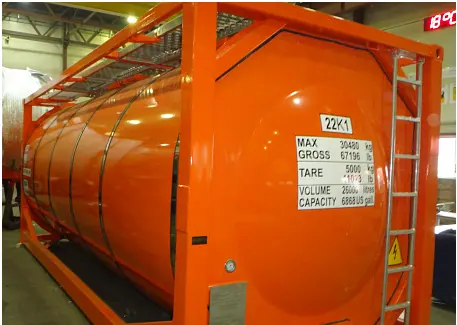
Tank container
Sespel engineers designed a tank container with the following main advantages:
- No riveted seams: the container is made from a single metal sheet;
- Versatility: suitable for transporting liquids and bulk solids;
- Multimodal transport: compatible with rail, road, sea and inland waterways.
Tank containers are manufactured in accordance with European and international agreements and codes. This allows cargo to be transported worldwide without additional certification or compliance inspections.
Conclusion
Every project described here used friction stir welding to produce strong parts without conspicuous seams. With an automated production process, FSW offers remarkable flexibility and productivity across varied products. It also requires no consumables or filler materials. Increasing the number of pins can multiply machine productivity.
Sespel introduced its first FSW systems in 2012. By 2021, the Cheboksary plant had become a leading supplier to Russia’s rail, water and road transport sectors, as well as aerospace.