Error
текст ошибки


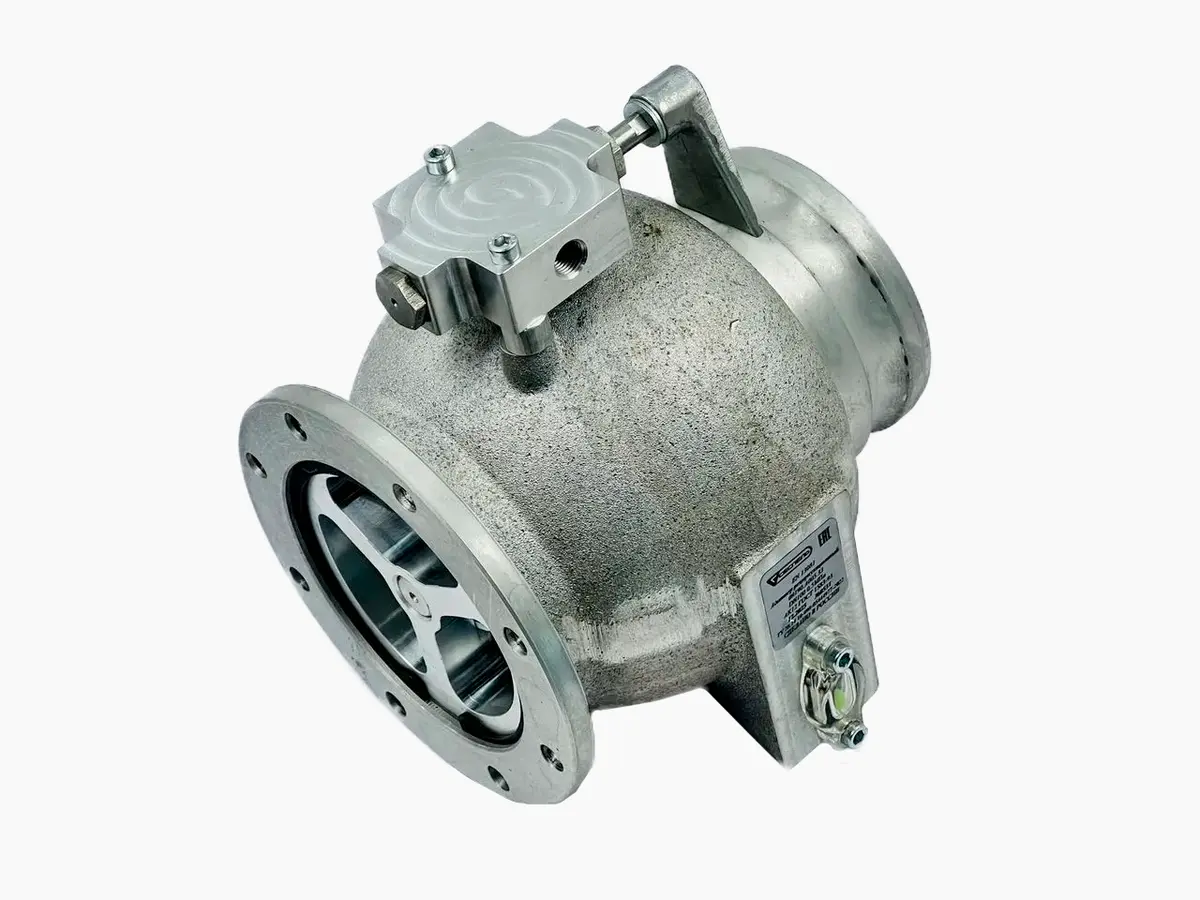
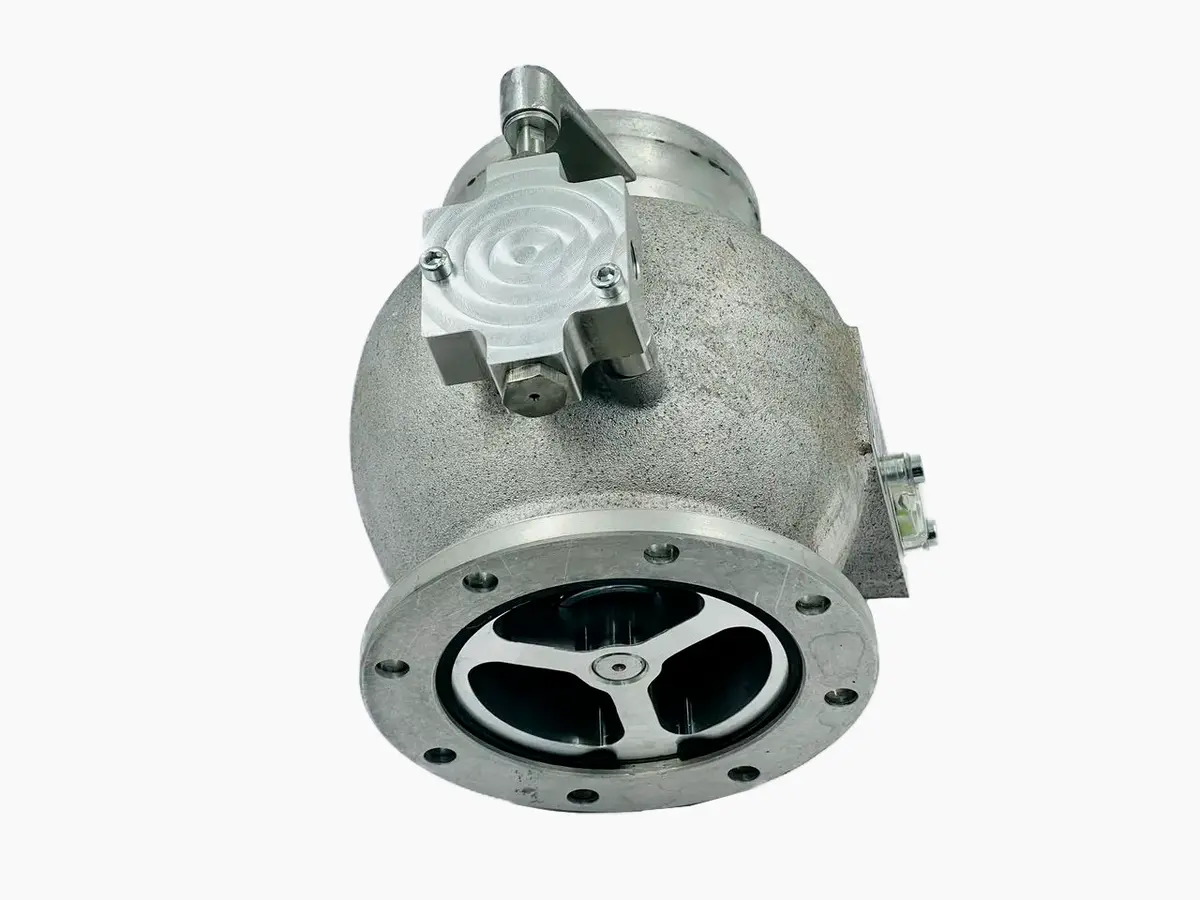
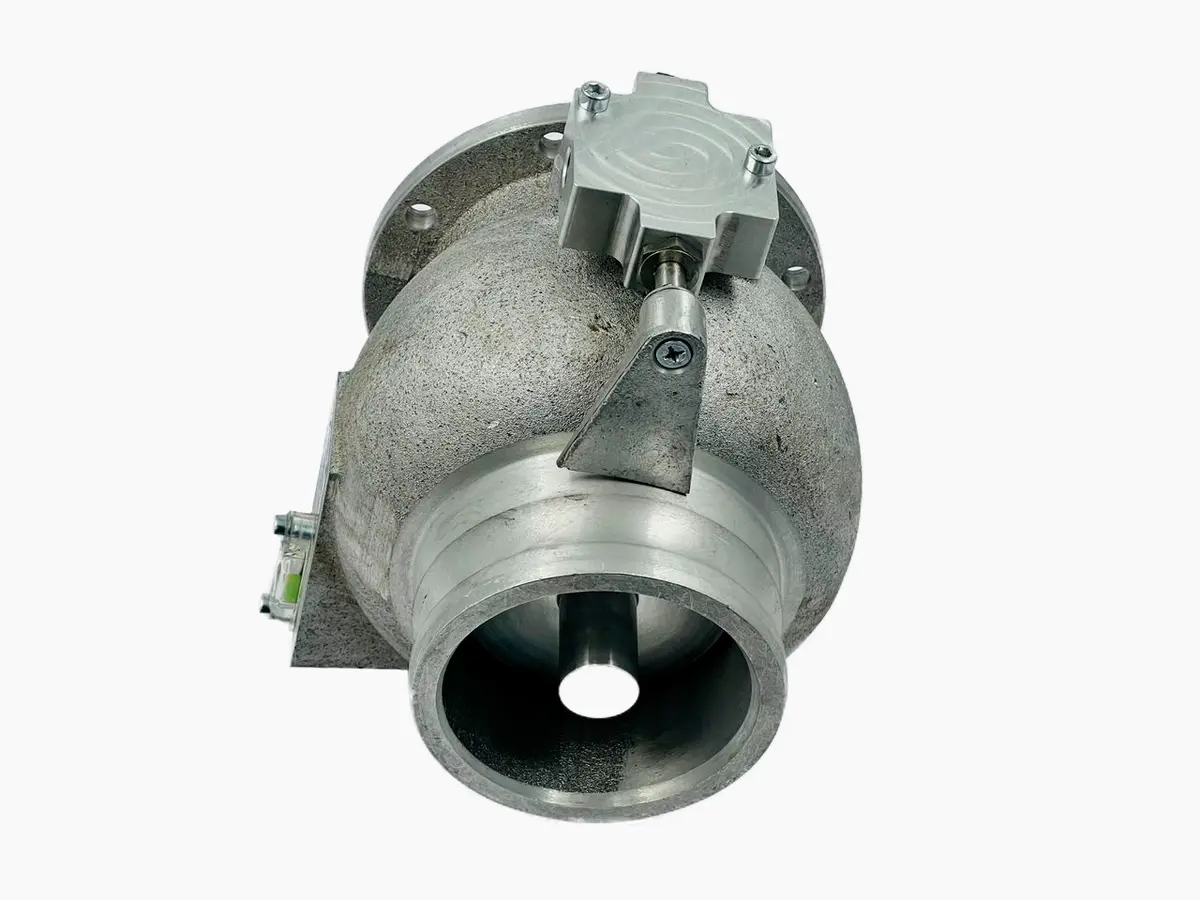
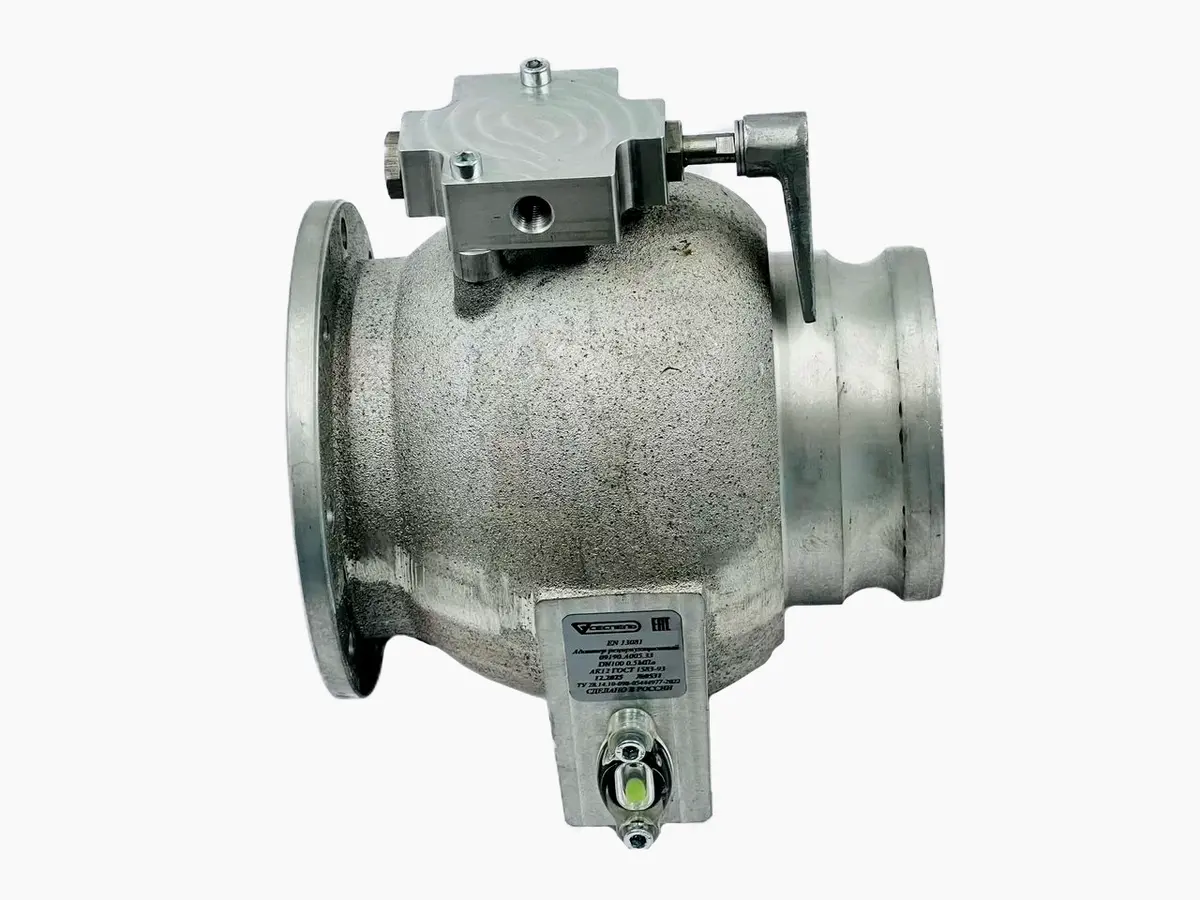
Vapour recovery adapter
The vapour recovery adapter is installed at the end of a road tanker’s vapour return line. It provides the hose connection between the vehicle’s vapour return line and the vapour recovery system during fuel loading and unloading.
About the product
- Nominal boreDN 100 mm
- Weight3.8 kg, maximum
- Connection4" TTMA flange
- Body materialAK12 aluminium alloy
- Operating pressure, MPa0.5
- Test pressure, MPa0.75
- Loading flow capacity, l/min46000
- Unloading flow capacity, l/min17000
- Operating temperature range-45℃ ... +40℃
- Part number2100064539
- ManufacturerSespel
Contact us for more information about this product.
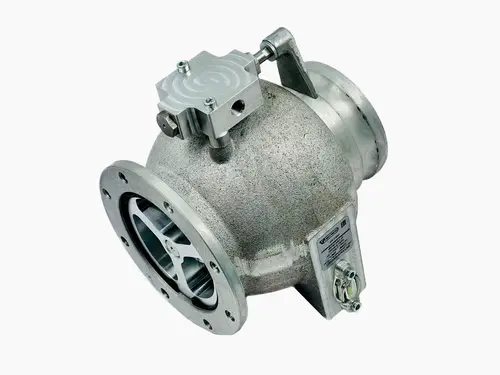 Vapour recovery adapter
Error
Description
The vapour recovery adapter is installed at the end of a road tanker’s vapour return line. It provides the hose connection between the vehicle’s vapour return line and the vapour recovery system during fuel loading and unloading.
Operation within the system
- Nominal bore: DN 100; connection: 4-inch TTMA flange.
- Vapour-air mixture flow capacity: 46,000 l/min during loading and 17,000 l/min during unloading.
- Aluminium alloy body; weight: no more than 3.8 kg.
Application and selection
Used in vapour recovery systems on road tankers, refuelling vehicles, tank trailers and tank semi-trailers. Selection requires checking hose and mating connector compatibility as well as the operating conditions for the specific version.
The poppet valve allows the vapour-air mixture to pass when a dedicated coupling adapter is connected. Position the adapter where it is accessible for inspection; during installation, check that the mounting surface is flat and the assembly is not misaligned.
Two connection interfaces
When specifying the assembly, distinguish the adapter flange connecting to the line from the coupling interface for the vapour hose. The 4” TTMA designation refers to the flange and does not replace a check of the mating coupling. Dimensions of both interfaces and details of the hose are needed; DN100 alone does not describe the complete connection assembly.
Positioning in the hose connection area
The layout should allow space to attach and detach the coupling and route the hose freely. Adjacent pipework and protective structures must not obstruct handling or inspection of the connection. Confirm the supply scope for the adapter, mating coupling and hose separately: their use together does not mean they are supplied as one kit.
Frequently asked questions
Answers to questions about selecting, connecting and operating the product.
How does this adapter differ from a bottom loading API adapter?
This adapter connects the vapour-air mixture return hose. A bottom loading API adapter serves the liquid product line. The same 4-inch size does not make them interchangeable.
When does the internal valve open?
The poppet valve allows the vapour-air mixture through when a dedicated coupling adapter is connected. Check mating connector compatibility before connection.
Are 46,000 and 17,000 l/min fuel loading rates?
No. They refer to vapour-air mixture flow capacity during loading and unloading respectively, not liquid fuel flow.