Error
текст ошибки


Services
Cryogenic container diagnostics and maintenance
How we work
Tank leak testing and evacuation procedure
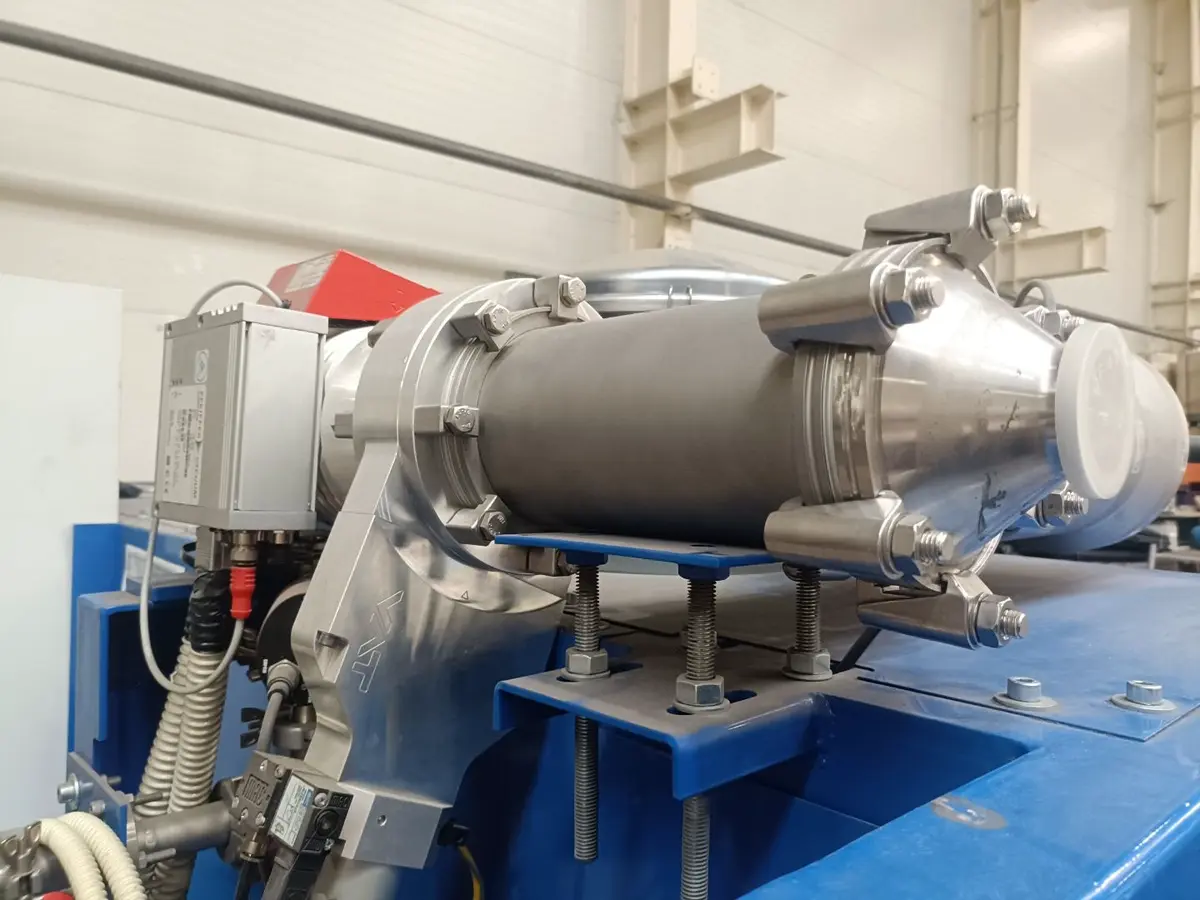
Manufacture of connection tooling. We design and manufacture tooling using vacuum flange specifications supplied by the customer.
Delivery for diagnostics. The customer transports the tank to our site for testing. By agreement, we can arrange transport to our site.
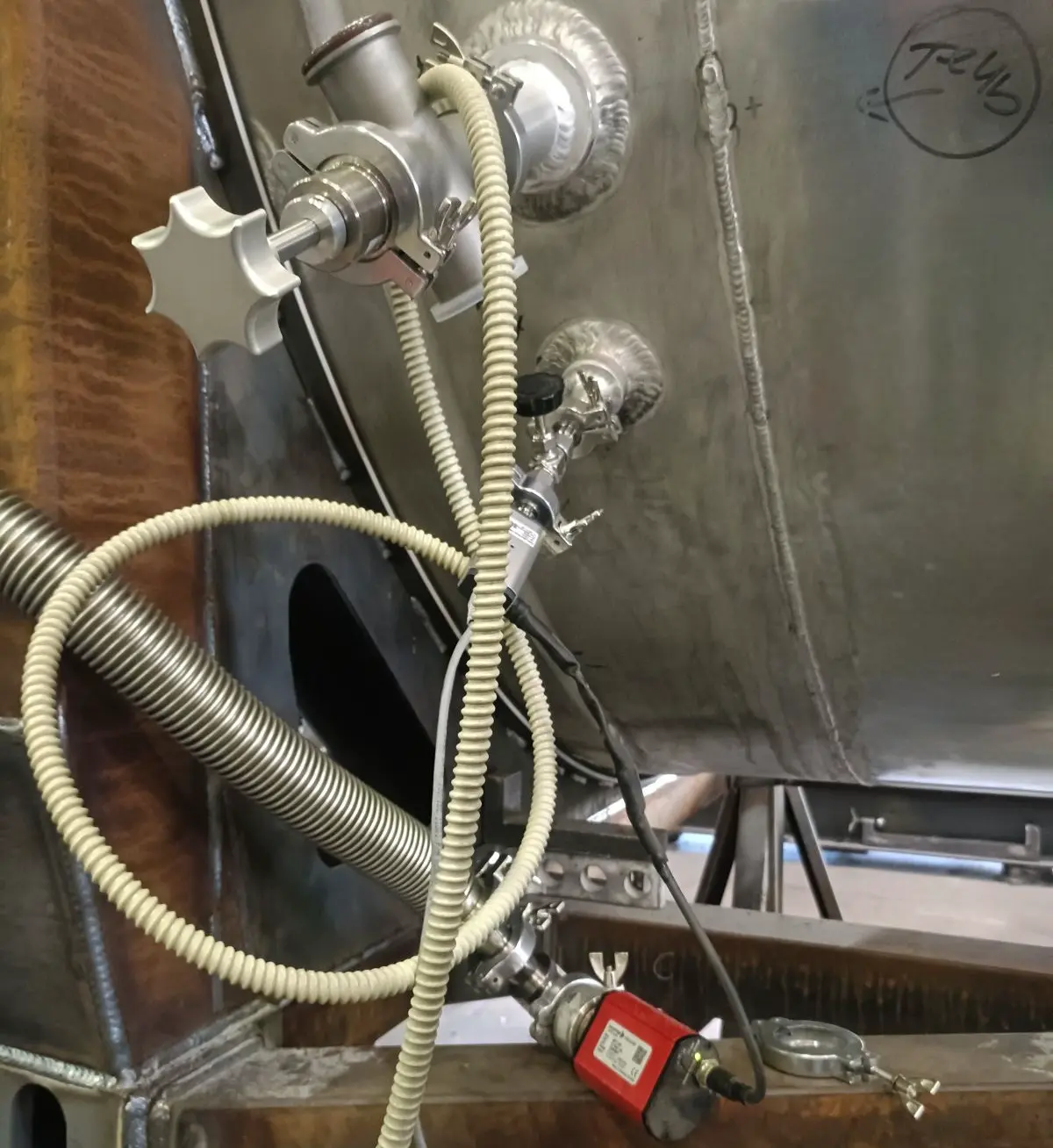
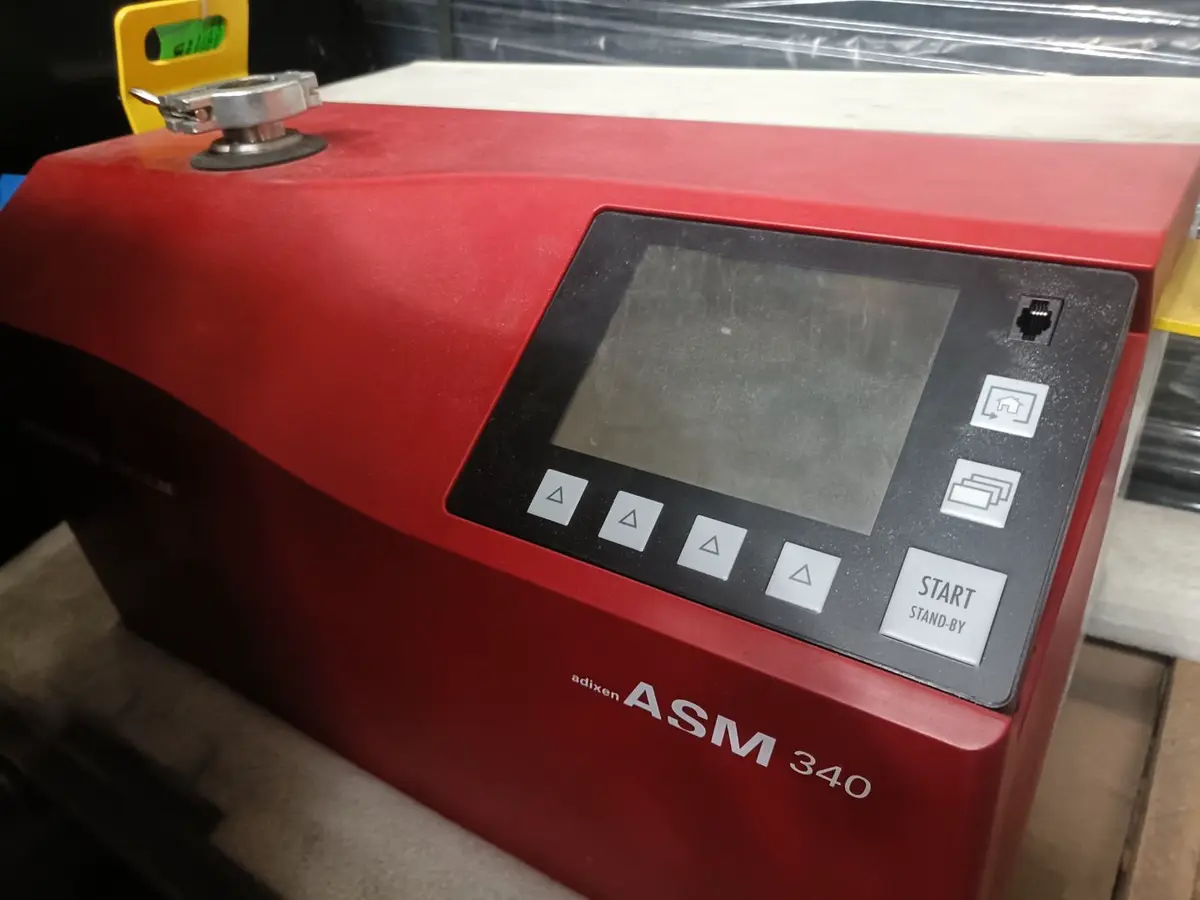
Connection of the vacuum and measurement systems. The pumping system is connected to the container’s insulation space. Pressure sensors and a helium leak detector are installed.
Evacuation and pressure monitoring. Air is pumped out. After the pump is disconnected, a valve connects the system to the vacuum-insulated vessel. Pressure is measured within the insulation circuit.
Establishing the test vacuum. Vacuum pumps reduce insulation-space pressure to the level required for testing, no more than 1,200 Pa.
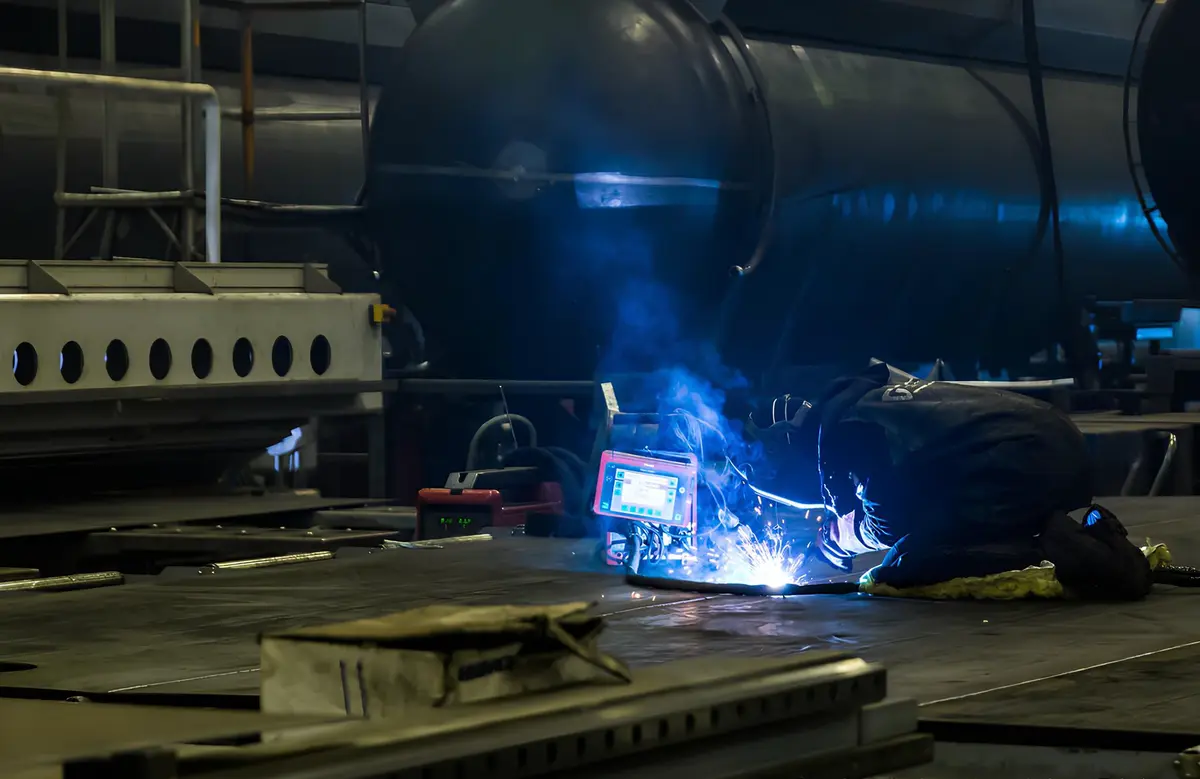
Leak detector inspection. Helium is applied to the tank exterior around welds and other joints being tested. If the signal exceeds the permitted threshold, the operator marks the leak locations.
Inner vessel leak testing. Helium is introduced into the tank’s working volume. If the inner vessel leaks, the detector registers the leak and displays its parameters.
Completion and reporting. The operator closes the valve to preserve the residual vacuum in the insulation space if no leaks are found. Vacuum retention is not guaranteed if leaks are present. We provide a diagnostic report within one working day of completion.
Agreeing on further work. Evacuation according to vessel documentation, or repairs where technically possible, followed by evacuation.
Residual pressure measurement
Monitoring residual pressure in the vacuum system is a key task in cryogenic container operation. It supports safe storage and transport of liquefied gases.
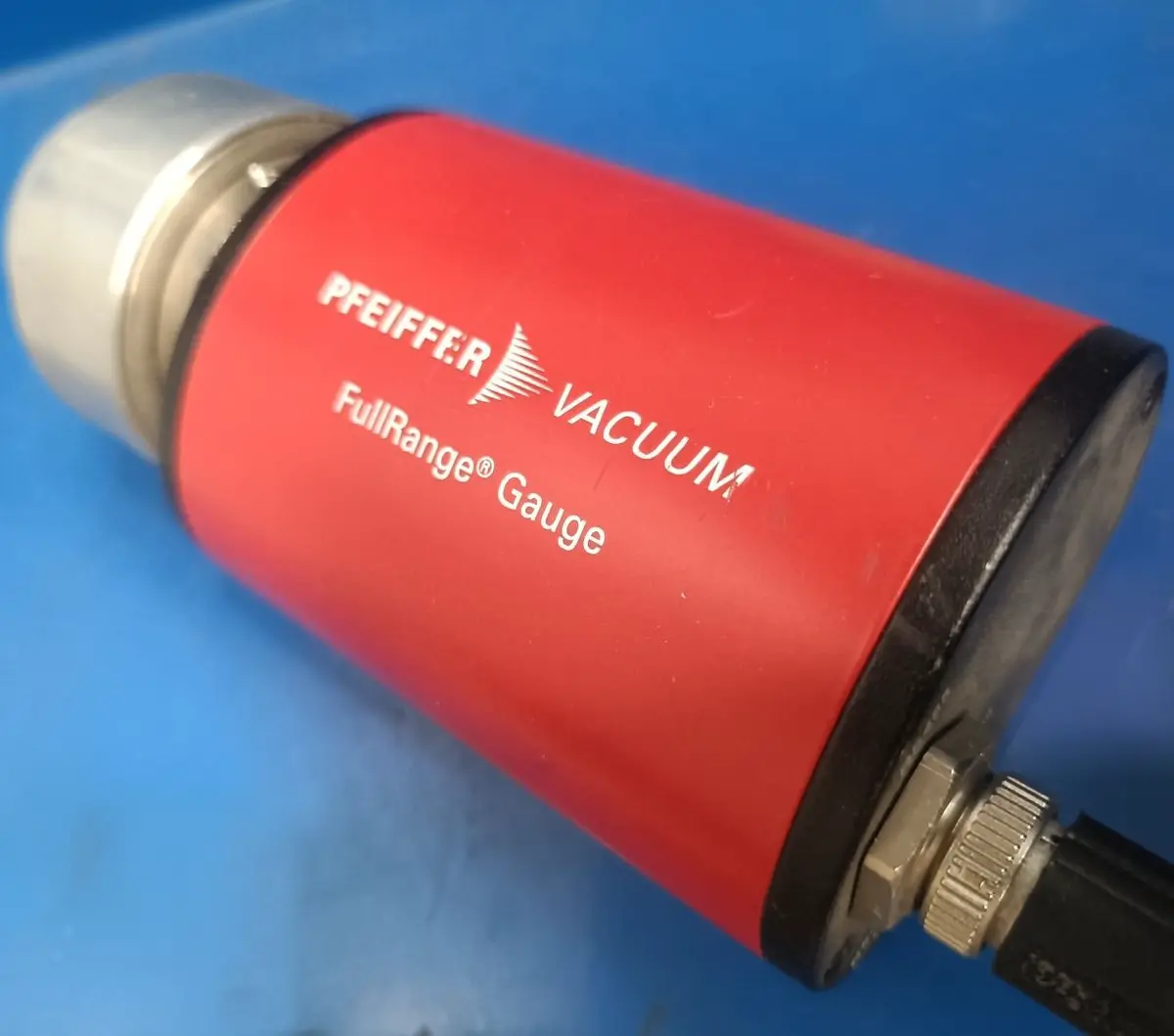
Precise measurements using specialised vacuum sensors
Cryogenic vessels store and transport liquefied gases including nitrogen, oxygen, argon and helium. A vacuum insulation layer minimises heat exchange and keeps the contents liquid at extremely low temperatures.
Absolute insulation leak-tightness is technically unattainable, so residual pressure requires regular monitoring. Maintained values must strictly match the vessel’s technical documentation.
Locating leaks in cryogenic containers
Detecting and eliminating leaks is essential for cryogenic tanks. Maintaining leak-tightness requires systematic inspection of welds and cryogenic valves, shut-off devices and connections.
Cryogenic container leak-tightness is checked by helium leak testing, applying a helium-air mixture to the surface.
Where through-defects or large leaks exist, helium enters and is detected. Defects must then be corrected, potentially by repairing or replacing damaged components.
Restoring vacuum insulation in cryogenic containers and semi-trailers
Vacuum insulation plays a key role in reducing heat transfer in cryogenic containers. Air is pumped from the space between tank walls to create a vacuum. The absence of gas almost eliminates heat conduction through that medium, substantially improving insulation performance.
Preserving the vacuum layer is essential for system performance
Loss of leak-tightness allows air into the interwall space, restoring heat transfer. The cryogenic liquid warms and evaporates more quickly, reducing storage efficiency.
Regular vacuum insulation monitoring helps prevent these situations. Specialised sensors measure the vacuum inside the structure. Vacuum loss indicates leakage and the need for repairs. Prompt detection and correction of defects supports reliable container operation.
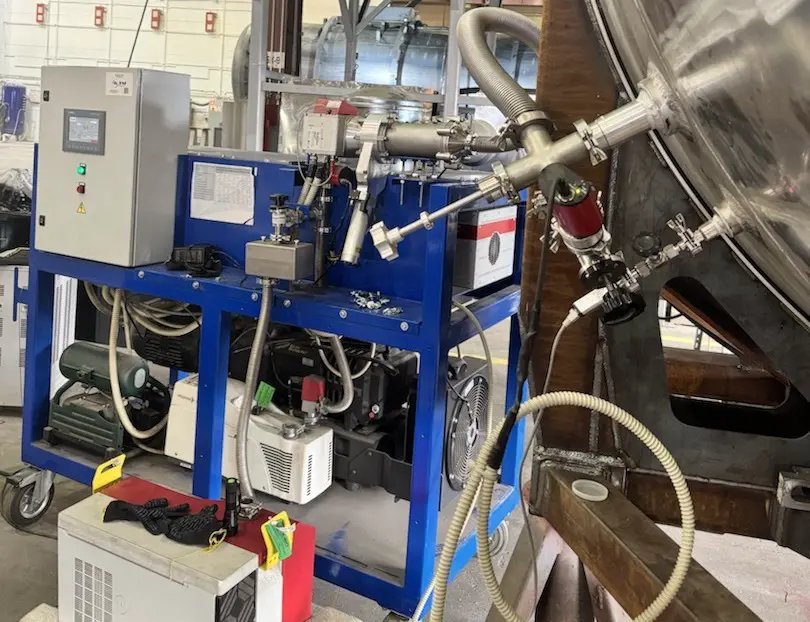
Tank evacuation
The insulation space of cryogenic containers is evacuated to a residual pressure of 10⁻²–10⁻³ Pa, or 10⁻⁴–10⁻⁵ mbar. Exact values are governed by GOST R ISO 21014:2017 for cryogenic vessels and manufacturer documentation.
Quality control: after evacuation, residual pressure is measured and documented in a report, followed by 24–48 hours of pressure monitoring to confirm stability.
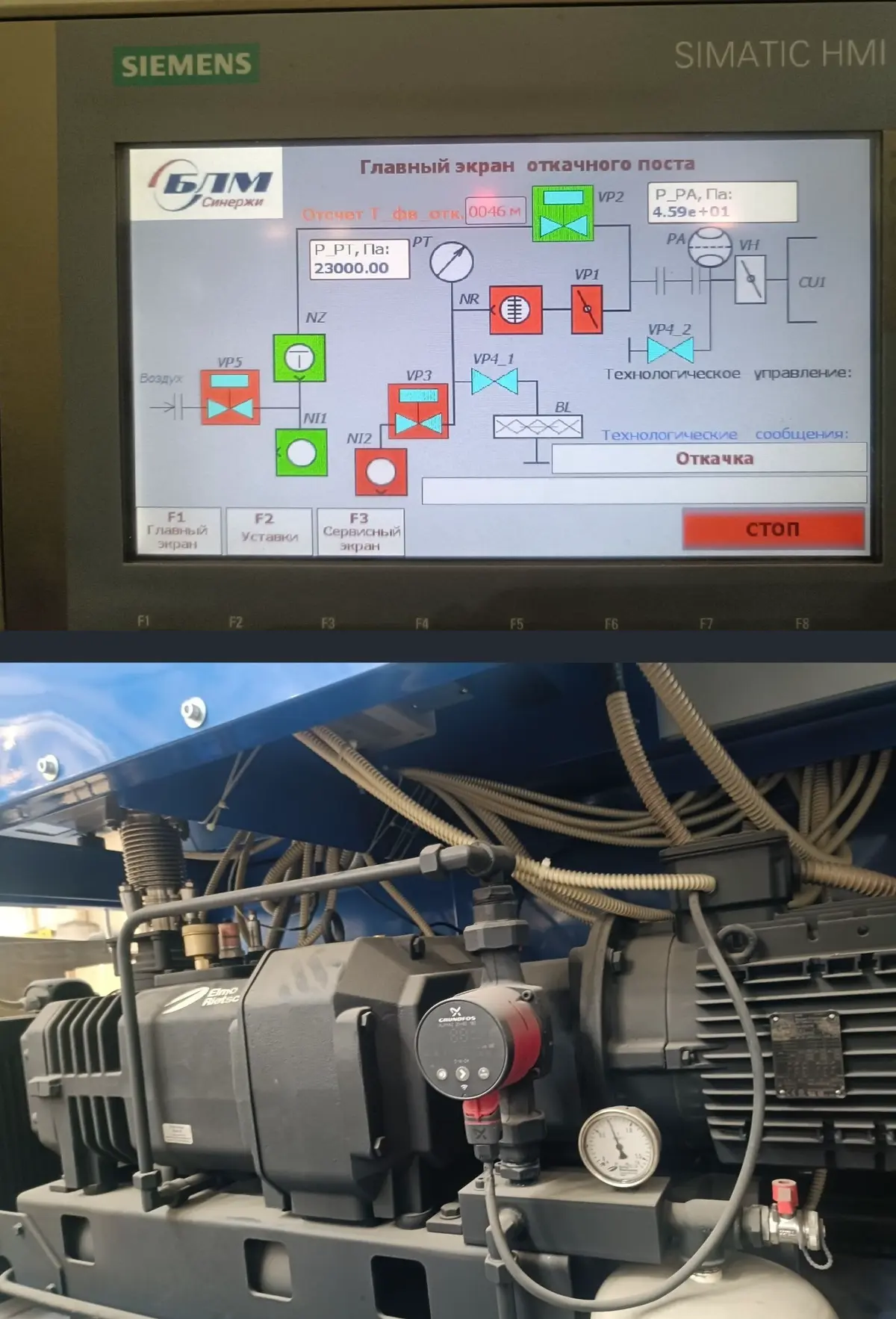
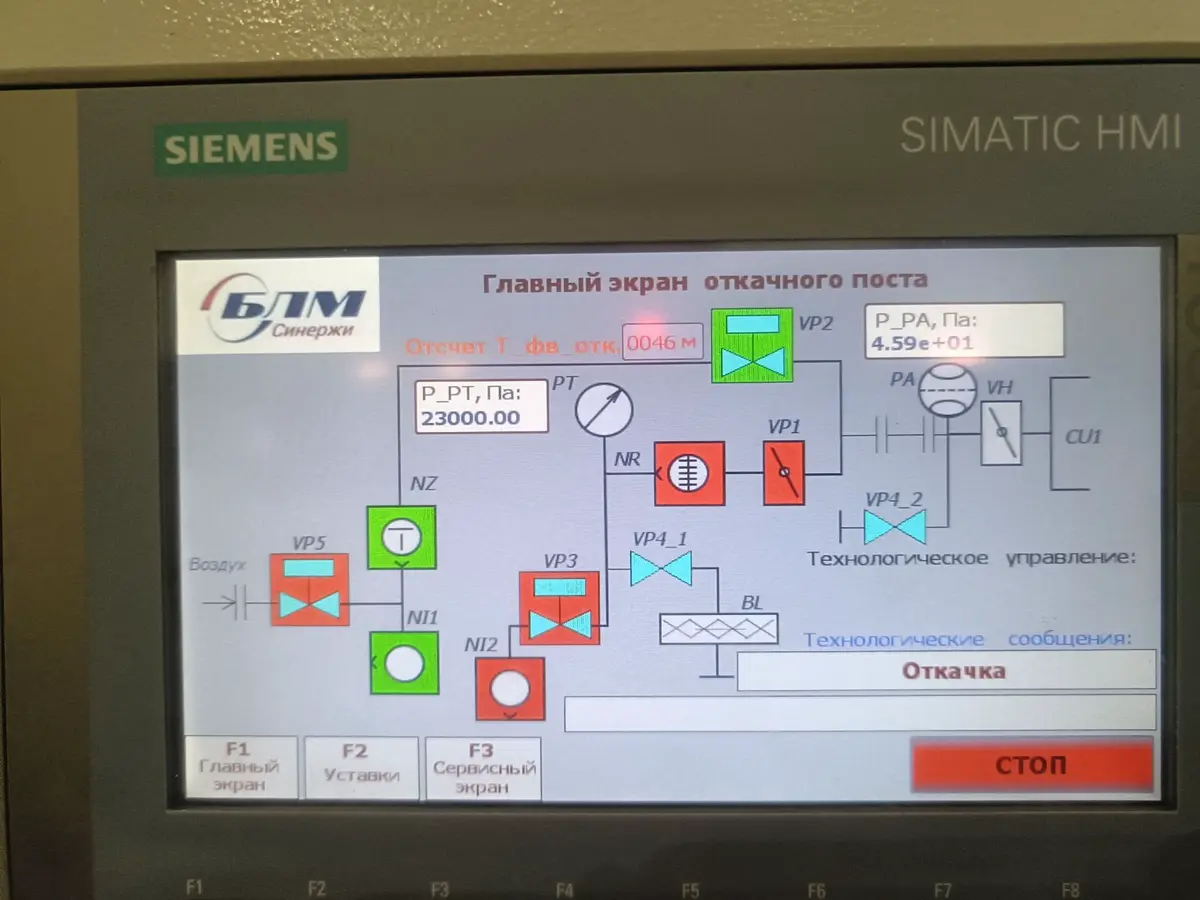
Evacuation monitoring, residual pressure measurement and pumping control use a SIEMENS vacuum measurement system.
Equipment used
Main services:
- Residual pressure measurement
A key task for safe storage and transport, required because absolute leak-tightness is technically unattainable.
- Leak detection
Systematic inspection of welds and valves, shut-off devices and connections. Leak-tightness testing using a helium leak detector.
- Vacuum insulation restoration
Regular vacuum monitoring with specialised sensors. Vacuum loss signals the need for repairs; timely repairs support reliability.
- Tank evacuation
Residual pressure of 10⁻²–10⁻³ Pa (10⁻⁴–10⁻⁵ mbar). GOST R ISO 21014:2017 and manufacturer documentation.
Advantages:
- Reference-grade PFEIFFER sensors provide measurement accuracy with an error of ≤ 0.5% across the pressure range
- An integrated SIEMENS system eliminates human error during evacuation and monitoring
- Helium leak testing reliably detects leaks invisible to the eye